
Distressed Home Selling: How to Sell When Your Situation Is Difficult
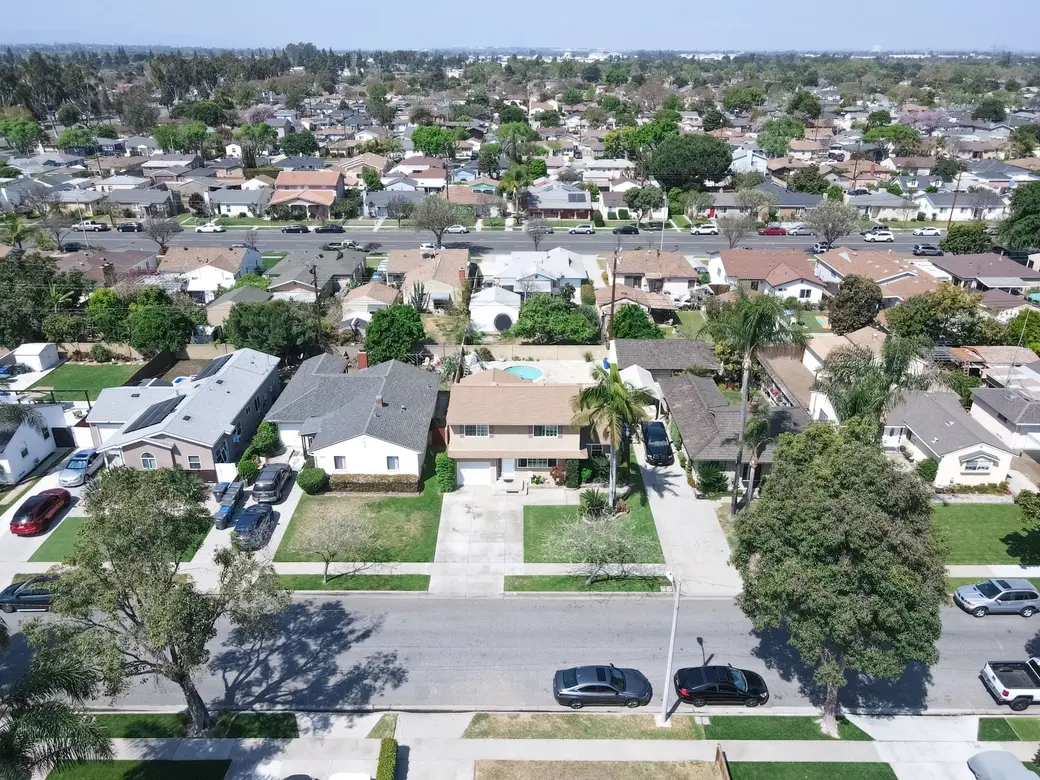
Distressed home selling in Los Angeles County can provide a practical path forward when missed payments, major repairs, illness, divorce, job loss, or an inherited property create pressure. For homeowners in Long Beach, Lakewood, and nearby communities, the most useful first move is to understand the timeline, financial obligations, and sale choices before accepting a rushed offer.
A difficult sale does not mean a home has no value or that there is only one possible outcome. It means the property, ownership situation, and timing need to be reviewed carefully so decisions reflect the seller’s actual circumstances.
Common Reasons Homeowners Sell Under Pressure
Homeowners usually sell under pressure because financial hardship, life changes, relocation, or serious property repairs make keeping the home difficult.
Missed mortgage payments can create an urgent timeline, but they are not the only reason a sale becomes stressful. Job loss, medical expenses, divorce, a move to support family, or the responsibility of settling a trust or probate estate can all change what is practical. Some seniors also decide that maintaining a larger property no longer fits their budget, mobility, or household needs.
Property condition can add another layer of difficulty. Deferred maintenance, water damage, an aging roof, clutter after a long occupancy, or repairs inherited with a family home may make a move-in-ready sale unrealistic. The goal is not to conceal the condition. It is to understand how that condition affects pricing, buyer interest, timing, and net proceeds.
In Los Angeles County, a property in Long Beach or Lakewood may still attract buyers even when work is needed. The appropriate approach depends on the home’s condition, the seller’s available time, the ownership documents, and the cost of waiting.
First Steps to Take
The first steps are to organize essential records, identify deadlines, and speak with the mortgage servicer early if payments are becoming difficult.
Start by grouping documents into practical categories:
- Loan and notices: Recent mortgage statements, notices from the loan servicer, payment records, and correspondence about past-due amounts.
- Ownership and legal documents: Deeds, trust documents, probate paperwork, title information, lien notices, and records involving co-owners or heirs.
- Taxes and insurance: Property tax bills, homeowners insurance records, utility balances, and any notices involving unpaid obligations.
- Timeline details: A realistic move date, upcoming legal or lender deadlines, repair constraints, and the names of people authorized to make decisions.
If you are behind on payments, contact the mortgage servicer directly to ask about deadlines, required documents, and available paths. The U.S. Department of Housing and Urban Development explains that HUD-approved housing counselors can help homeowners assess options, organize finances, and communicate with lenders. HUD’s foreclosure assistance guidance includes information about locating counseling support.
For Los Angeles County owners who receive a Notice of Default or another time-sensitive lender notice, it can help to review the lender’s stated deadlines first, then gather ownership and payoff documents before making decisions about a sale. The Los Angeles County Department of Consumer and Business Affairs offers foreclosure-prevention counseling and information about reviewing documents, communicating with lenders, and avoiding scams. The County’s foreclosure prevention resources can provide an additional local starting point.
Your Selling Options
Your selling options include a traditional listing, an as-is sale, a short sale, or a cash offer, and the right route depends on your expected proceeds, condition, timing, and need for certainty. If you are weighing pre-foreclosure timelines alongside market conditions, reviewing how distressed property sales and foreclosures work in Los Angeles County can clarify how each path unfolds locally.
| Sale option | Best fit | Main tradeoff | Timing consideration |
|---|---|---|---|
| Traditional listing | A home that is presentable and a seller who has flexibility | May require preparation, showings, and negotiation | Closing can take longer than a direct sale |
| As-is listing | A property needing repairs without the budget or time for major work | Buyers may adjust offers for anticipated repairs | Can reduce preparation time while still reaching open-market buyers |
| Short sale | A situation where the expected sale price may not cover the payoff and required costs | Lender review and documentation can add complexity | Approval can extend the timeline |
| Cash offer | A seller who needs fewer contingencies or cannot manage extensive preparation | The offer may be lower than an open-market result | May reduce financing-related uncertainty and shorten closing |
A traditional listing may provide broad exposure to buyers when the property is presentable, the seller has some flexibility, and expected proceeds can cover the loan payoff and selling expenses.
An as-is listing can suit a home that needs repairs but does not have the budget or timeline for major work. The property can be marketed honestly, with the price and disclosures reflecting its condition. Buyers may account for anticipated work in their offers, so the relevant comparison is often estimated net proceeds rather than the initial offer price.
A short sale may be a consideration when the anticipated sale price will not cover the mortgage payoff and other required costs. Because lender review and approval can be involved, this path may require detailed documentation and additional time. Legal and tax guidance can be useful when assessing the implications of this option.
A cash offer can reduce financing-related uncertainty and may simplify the process for a seller who cannot take on repairs or extensive preparation. In exchange, the offer may be below what an open-market listing could potentially achieve. Proof of funds, written terms, deadlines, and fees should be reviewed before a decision is made.
Compare each route against the property’s likely price, repair needs, carrying costs, payoff amount, and closing expenses. A lower offer with a faster closing is not automatically better, and a higher offer is not automatically stronger if the timing or terms do not fit the situation.
Understanding Your Equity
Equity is the amount that may remain after the loan balance, selling costs, and other obligations are subtracted from the home’s sale proceeds.
Begin with a realistic estimate of what the home may sell for in its current condition. A preliminary estimate should account for the likely sale price, payoff figures, liens, and likely selling costs. The result is a preliminary net-proceeds estimate, not a guarantee.
A home can have meaningful market value while still leaving little cash at closing if the loan balance, past-due amounts, taxes, or other obligations are high. The reverse can also be true. A modest sale price may still produce useful proceeds when the remaining loan balance is low.
Condition affects this calculation because buyers often factor future repair costs into their offers. That does not mean every repair should be completed before selling. It means the likely benefit of each project should be compared with its cost, timing, and the burden of managing the work.
For trust or probate properties, the people responsible for the sale should also confirm who has authority to sign and whether additional documentation is needed before accepting an offer.
Preparing the Home on a Budget
The most effective low-cost preparation usually includes cleaning, decluttering, basic safety fixes, and small improvements that make the home easier to understand.
Begin with a thorough clean and remove excess belongings where possible. Clear walkways, usable rooms, and visible surfaces help buyers see the layout and potential of the property. For a long-occupied home or inherited property, this process can be emotional, so completing it in stages is often more manageable.
Focus limited funds on issues that affect safety, access, or first impressions. Replacing burned-out bulbs, securing loose handrails, removing debris, trimming overgrowth, repairing minor leaks, and touching up heavily marked walls may improve presentation without creating a full renovation project.
Large upgrades may not suit an urgent timeline or provide a dependable return. Accurate disclosures, realistic pricing, and a clear explanation of the home’s condition can be more valuable than trying to make every feature look new.
A home that cannot be fully prepared can still be sold. The marketing approach, buyer expectations, and price should reflect the work the next owner will need to take on.
Protecting Yourself From Scams
You can reduce scam risk by refusing upfront-fee promises, reviewing documents carefully, and seeking independent legal advice before transferring ownership rights.
Pressure is a warning sign. Be cautious if someone guarantees a specific loan outcome, tells you to stop communicating with your lender, asks you to send mortgage payments elsewhere, or insists that documents must be signed immediately. The Consumer Financial Protection Bureau warns that foreclosure-related scams can involve upfront fees, false promises, requests to sign over title, or paperwork a homeowner does not understand. Its foreclosure scam guidance outlines common warning signs.
Do not sign a deed, power of attorney, contract, or other legal document until you understand what it does. Request all terms in writing, keep copies of communications, and allow time to compare offers. A legitimate buyer or service provider should answer questions and allow time for independent advice.
Mailers, calls, texts, and door-to-door offers that promise to “save” a home immediately deserve extra caution. Urgency may be real, but it should not remove the homeowner’s right to understand the transaction.
Getting Support
The right support can help homeowners organize decisions, protect their interests, and select a sale path that fits the actual timeline.
A HUD-approved housing counselor can offer independent guidance when mortgage payments are difficult or foreclosure-related options need to be understood. An attorney may be helpful when a property involves probate questions, trust documents, co-owners, liens, disputed ownership, or other legal concerns. A tax professional can explain possible tax considerations tied to a sale.
A real estate agent can help compare a traditional listing, an as-is approach, and other sale scenarios based on the property’s location, condition, likely buyer pool, and estimated proceeds. The purpose of that comparison should be clarity rather than pressure.
For many Los Angeles County owners, distressed home selling becomes more manageable when the timeline, payoff obligations, property condition, and sale options are reviewed early.
A written timeline, payoff estimate, and comparison of sale routes can make a stressful sale easier to evaluate before an offer is accepted. Distressed home selling is often more manageable when each decision is made from clear information rather than urgency.
Before choosing a sale path, organize the information that will shape the decision:
- Mortgage payoff details, past-due amounts, and lender deadlines
- Ownership documents, liens, and any required trust or probate paperwork
- A realistic estimate of repair needs, carrying costs, and likely net proceeds
If you are evaluating your options in Long Beach, Lakewood, or anywhere in Los Angeles County and want a clear breakdown of your property’s potential value and sale routes, reach out to Marie Goodloe to schedule a confidential, no-pressure consultation.
FAQ
What is a distressed home sale?
A distressed home sale is a property sale shaped by financial strain, a major life event, ownership complications, or a home condition that creates pressure to act. Missed payments, inherited repairs, and a shorter timeline are common examples.
Can I sell my house if it needs major repairs?
Yes. A home needing significant work may be sold as-is or priced to reflect its condition. Basic cleaning, safety-related fixes, and honest disclosures can help, while a complete renovation may not be necessary.
How do I avoid foreclosure rescue scams?
Avoiding foreclosure rescue scams starts with rejecting upfront-fee demands, retaining control of the deed, and getting legal advice before signing unfamiliar paperwork. Direct lender communication and independent housing counseling can provide additional protection.
Should I talk to my lender before selling?
Yes, particularly if payments are overdue or a deadline is near. An early conversation with the lender can clarify the required documents, timing, and possible paths before a sale is finalized.
Categories
Recent Posts









GET MORE INFORMATION